
One of the most aspired goals of any game creator is to make their game lucrative. You won't be able to recover if monetization occurs too late. Here are some app monetization tips to get your monetization strategy off to a good start and grow income.
When should you start thinking about your monetization strategy?
The most common blunder made by young creators is to start thinking about money after the game has been fully completed, or even worse, after it has been released. Consider your monetization plan early on in the development of your game's concept. Even if you don't intend to sell anything right away, having a strategy in mind will assist you in creating more relevant points of connection with users.
Let's pretend we're working on a battle game: we've planned out the entire economy, we've considered how long a session should run, the user's LTV, and everything else. After some time, we decide to add advertisements or in-app purchases, which is when the problems begin. By adding advertisements, we risk crashing the entire system and losing a big portion of the money we could otherwise earn. Many newbies get stuck at this point: they create a game, fill it with enough content, and then the game becomes unscalable. We have no room to move or expand when the game is unscalable.
Preparing for app monetization ahead of time will allow you to gain a better understanding of who your target audience is and plan additional gaming features for the future.
How do you pick the best monetization strategy?
Paid apps, adverts (also known as in-app advertising), in-app purchases (IAP), and subscriptions are the four most common monetization models. We're all familiar with the "traditional" models: advertisements and paid apps, both of which are available on the App Store and Google Play. Apple, on the other hand, now gives developers more ways to monetize their apps, including in-app purchases, app bundles, and subscriptions.
Ads and IAPs are the most popular, according to Statista. Ads are more common in Android apps, and iOS users are more prepared to pay, hence IAPs enter the picture.
If you can persuade a user to pay you straight away, making your game paid is a good alternative. This monetization technique restricts people from downloading your game and only pays you once. Why should I pay money when I can play other games for free? If the game is either incredibly popular or has very few competitors, a premium model will work for you. The reputation of a game on app stores will also influence a user's decision to pay for it, so make sure your game has a high rating and great reviews.
Why are ratings and reviews so critical to your monetization plan? Learn how they influence your game downloads.
Let's take a deeper look at some of the various ways to monetize your app store that could provide you with consistent revenue.
In-app purchases
When you want to provide customers additional power and gaming possibilities, an in-app purchase (IAP) is a better solution. They provide you more control: it's simple to switch them on and off for a set length of time or for specific functions.
For example, in our game, we have collected characters and various benefits. We prefer an IAP over a rewarded video in this scenario. Alternatively, if a game is popular enough, each of its levels can be purchased separately as an IAP. The game is an economic simulator, thus the IAP will be placed somewhere near the pressure points, where players must improve something in order to continue or progress.
In-app advertising
For a start, ads appear to be the most straightforward option. You can spam people with advertising and grab as much money as possible if you only want to keep your game “alive” for a few days. If you want to build a long-term company out of your mobile game, consider merging the monetization strategy with the user experience. Ads and the action button, as well as your call to action, should be displayed. Show your players where to go if you want to motivate them.
Returning to our battle game, let's say we've decided to include an ad banner and reward players who watch it. To get people to click the button, we need to keep it visible and make the call to action obvious. Gamers may not realise they will be rewarded if this is not done. The greatest mistake we can make here is to bury the ad deep within the menu, making it impossible to find.
Rewarded Surveys Offerwall
Why should you use remunerated surveys as part of your game monetisation strategy?
Rewarded Surveys are becoming more popular as a way to monetize mobile games, but there is relatively little information and statistics available about them.
This article is a primer on everything you need to know as an app developer or publisher. It will give you some history on the market research sector as well as performance data and other critical elements to keep you updated about Rewarded Surveys.
Rewarded Surveys provide game producers with a significant cash possibility. The economics are based on a cost-per-action (CPA) model, in which developers get compensated for each completed survey (CPA). Developers determine how much virtual currency to reward based on their economy, and payouts range from $1 to $10+ every completed task.
RapidoReach is a mobile app SDK that delivers the market research sector to your app. With a platform that understands game dynamics and in-game virtual economies, We make it simple for traditional Research Buyers to distribute mobile surveys in F2P games - we call these Rewarded Surveys.
Also read:
Rewarded Surveys for your Monetization Strategy
things to consider while integrating Mobile Rewarded Surveys
Subscriptions
The subscription model has the potential to be the next big monetization technique for games, but no one has yet nailed it.
For example, if a game has dozens of quests, they can be sold as in-app purchases. Another option is to offer a subscription, but for the time being, you should combine it with a more established business in the mobile gaming space.
Keep in mind that most purchases are made in communities as a result of events, promotions, specials, and other such activities. They assist you in making a large sum of money.
How can you persuade players to pay money for your game?
People invest in things that help them advance faster in life, and the same is true in mobile games. Use advertisements and in-app purchases to assist players in completing game levels more quickly, as this is what charges and incentivizes are for.
The amount of money you can make will also be determined by the type of game you play. Casual, hyper-casual, mid-core, and hardcore mobile games, for example, require distinct monetization strategies. The more frenetic and casual the game, the more ad money you'll collect as a percentage of overall revenue. Casual players do not participate in intense games and do not spend as much money.
There's another method to use LiveOps to boost your business. PlayFab, for example, is a platform that allows you to remotely manage game configuration and gamers. Getting started with LiveOps isn't as difficult as it appears. If you're baking in content, you'll need to activate it remotely and have a server to do so. If you're an indie game creator, there's definitely an easier approach, but simply using the system clocks could be problematic. Such systems also give you more alternatives for analysing gamers' behaviour, allowing you to introduce in-app payments at the precise moment when consumers are ready to spend.
Your monetization approach must be tightly linked to your user acquisition plan in order to persuade a player to spend money in your game. You need to know how much you'll pay for a user and how much money that user will bring in. You don't have a monetization strategy unless you have both of those things. You have a nagging feeling that you'll sell something to someone who will appear out of nowhere.
Freemium (Gated Features)
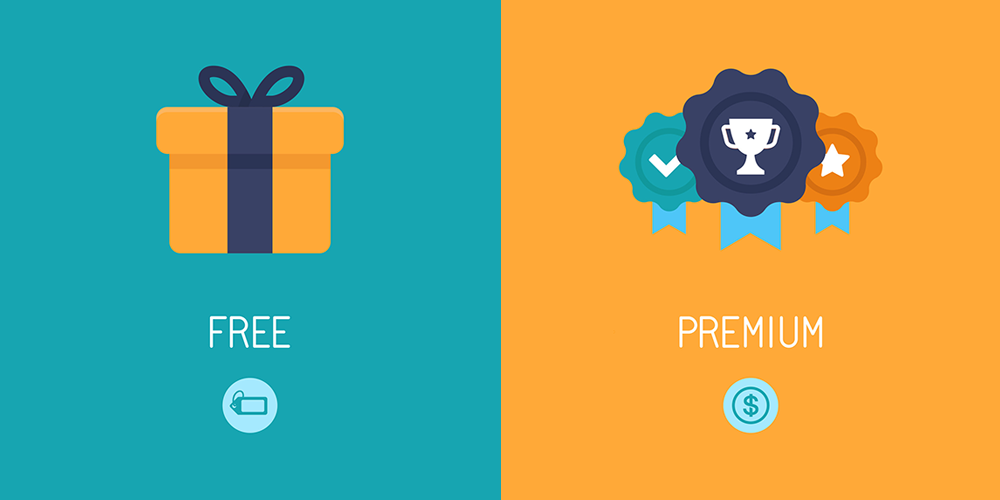
In a freemium business model, freemium apps are comparable to in-app advertising in that the programme is supplied for free. Certain functions, however, are limited and need payment to open. In other words, consumers can use an app's basic capabilities for free, but premium or exclusive features cost money. The idea behind this concept is to draw visitors to your app by offering them a detailed glimpse of what it can achieve (without giving them everything). The idea is to build up and keep app users engaged until they are willing to pay for extra in-app features.
Angry Birds is an excellent example of a brand that has successfully implemented this strategy. The Angry Birds creators, Rovio, have introduced a free version of their addictive software. However, unless users purchased (for a nominal cost) to the full version, the programme kept some elements hidden (such as the ability to juice up your bird, new levels, and so on). This enables individuals to play Angry Birds and become fans without being put off by the initial cost. After completing a few levels and getting a taste of the game, app users are interested enough to pay for the full edition.
Where to start?
If you don't have the abilities or expertise to do any of the things we've mentioned, team up with someone who does. Find a publisher or consultant who is now working with or has previously worked with other game creators and can help you with app monetization ideas. Most likely, they already have the answers you want, so don't waste your time on it and instead concentrate on developing new fascinating features that will entice your players to pay for them.
Apps could take a hybrid approach.
We should expect to see a trend toward more hybrid models as the app landscape becomes more sophisticated. For example, you may start with a "free with advertisements" model and subsequently charge consumers to upgrade to an ad-free version, which is known as a "freemium" strategy.
The essential takeaway is to adapt and customise each app monetization method to meet your needs rather than simply copying what others have done. We discussed the typical strategies for generating cash with your app in this piece, but only the most inventive and brave app marketers get the benefits.
Whatever app monetization strategy you go for, RapidoReach can help. Get in touch with a member of our team today and we are happy to help you with implementing monetization strategy for your app model
RapidoReach Monetization
Turn your app traffic into real revenue
Join 2,000+ publishers already boosting ARPU by up to 40% with in-app surveys. No SDK headaches — integrate in minutes.
Written By
Vishal Gautam
September 25, 2021