
It takes a lot of ingenuity, perseverance, and a lot of caffeinated beverages to make a fantastic game. The end product may be fantastic, but the cost of the beverages must be covered. That's why, in some ways, the monetization aspect of a game is just as vital as the primary character. We made a list of 11 alternative monetization tactics because there are so many ways to monetize a game and there is no such thing as a success formula. Which ones do you think are your favourites?It takes a lot of ingenuity, perseverance, and a lot of caffeinated beverages to make a fantastic game. The end product may be fantastic, but the cost of the beverages must be covered. That's why, in some ways, the monetization aspect of a game is just as vital as the primary character. We made a list of 11 alternative monetization tactics because there are so many ways to monetize a game and there is no such thing as a success formula. Which ones do you think are your favourites?
Offline shopsThe most traditional method of monetizing your game is one of the first alternatives. For many years, selling your game in traditional gaming stores or department stores was the most popular method of doing so. Despite the fact that shopping streets are changing, individuals continue to buy games at physical stores. Smaller studios may find it more difficult to sell their games through these stores because they must consider physical item distribution, product placement in the store, and dealings with several businesses. However, if you are put in these stores and have all of the necessary variables in place, you will be able to reach your target audience and sell your game.
Online shopsThe internet businesses are perhaps the most familiar to the majority of you reading this page. Consider Steam, Apple's iTunes Store, or Sony's PlayStation Store. The convenience of viewing games and purchasing them with a single click has made it incredibly popular among gamers. If you want to sell your game on one of these online marketplaces, you'll face a few obstacles. To begin with, not every store will approve your game, and you should review the terms of approval before pursuing this monetization strategy. There are many questions to be answered, such as how will you price your game and how will people find out about it.
Rewarded Surveys
Why should you use remunerated surveys as part of your game monetisation strategy?
Rewarded Surveys are becoming more popular as a way to monetize mobile games, but there is relatively little information and statistics available about them.
This article is a primer on everything you need to know as an app developer or publisher. It will give you some history on the market research sector as well as performance data and other critical elements to keep you updated about Rewarded Surveys.
Rewarded Surveys provide game producers with a significant cash possibility. The economics are based on a cost-per-action (CPA) model, in which developers get compensated for each completed survey (CPA). Developers determine how much virtual currency to reward based on their economy, and payouts range from $1 to $10+ every completed task.
RapidoReach is a mobile app SDK that delivers the market research sector to your app. With a platform that understands game dynamics and in-game virtual economies, We make it simple for traditional Research Buyers to distribute mobile surveys in F2P games - we call these Rewarded Surveys.
Read: Rewarded Surveys for your Monetization Strategy
Things to consider while integrating Mobile Rewarded Surveys
Display advertising
In free-to-play games, display advertising is a common economic model. Display advertising is available in a variety of sizes and shapes. The skyscraper and rectangular sizes, for example, are well-known banners. However, innovative display advertising such as page takeovers and interstitials are becoming increasingly popular in recent years. A large audience is required for display advertising to be a successful business strategy. Because money is generally calculated per click or per 1.000 impressions, you'll need a large audience to generate enough revenue. Using portals like Agame.com or GamesGames.com to distribute your game can help you solve this difficulty.
Video pre-rollAside from typical display banners, another type of advertising worth mentioning is video pre-roll. This strategy is also common in free-to-play games, which show a video commercial while the game is loading. Companies like Google are heavily investing in this form of advertising since it provides advertisers with a new way to contact their target audience. The same rules apply to this monetization method as they do to generic display advertising: you must reach a critical mass to make a profit.
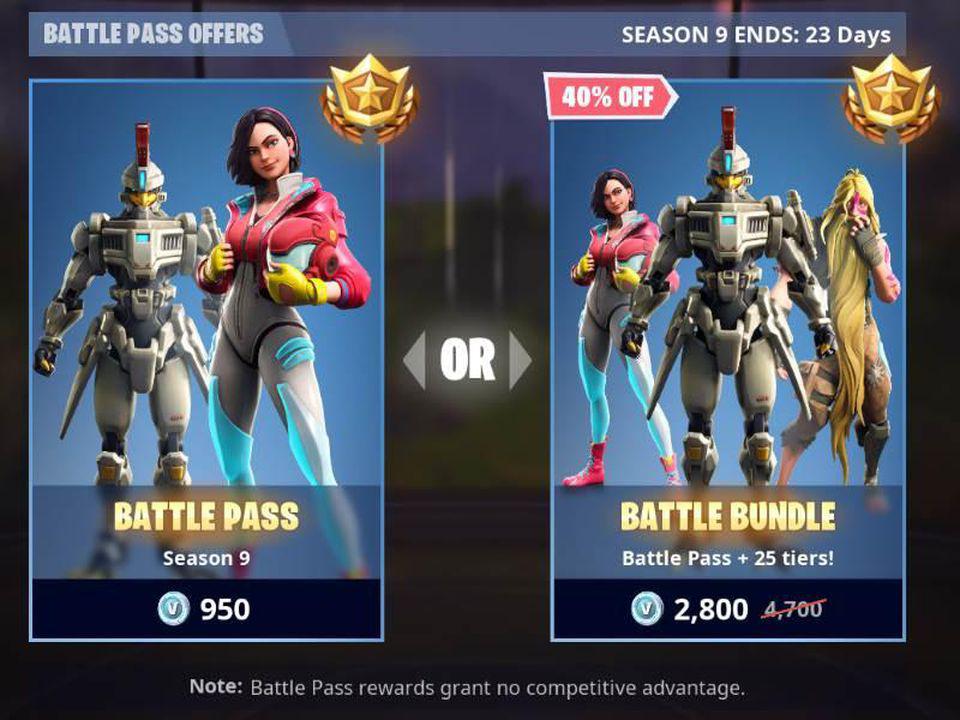
In-game purchasesIn-game purchases are frequently used to commercialise social games and mobile app-based games. When a user is stuck on a level, he can purchase clues or use credits to skip the level. Virtual products, such as decorations for your virtual house or a sausage machine for your farm, can also be purchased in-game. If you want to use this type of monetization technique in your game, you'll need to think carefully about how to implement it. The decisions you make while building your game will have a significant impact on whether or not this business model succeeds. That is perhaps the most difficult aspect of making in-game purchases.
Add-onsAnother approach to make money from a game is to sell add-ons. The enormously successful The Sims series is an excellent illustration of such a method. After purchasing the base game, players are presented with a variety of expansion packs to let them get even more enjoyment out of the game. This model is frequently used in mobile games. To make this method work, you'll need people to be completely engrossed in your game. Also, make sure the add-on offers good value for money; otherwise, the user is unlikely to buy another add-on.
Branded contentProduct placements abound in the latest James Bond film. This could be an option for your game as well. Are there any sponsors interested in paying for product placement or sponsored material in your game? Then this could be a secondary or primary source of income. Consider advertising on the side of the road in a racing game or the main character wearing a specific brand of sneakers. Big businesses don't want to be associated with low-quality content, thus it's critical that your game is just fantastic.
Recommendation engineYou might even charge a fee for a referral from a competitor. If you create a recommendation engine or use one available on the market to promote fun games to your users, you may be able to generate cash. This may be an attractive idea, especially with mobile apps.
SubscriptionsWe've all heard of Netflix or Spotify, and they both have one thing in common: a subscription-based business model. If you wish to keep using their (additional) services, you must pay a monthly subscription. If you're confident enough, you can apply this to games as well. To make this strategy work, you must persuade the user that it is worthwhile to subscribe to your game. When that is accomplished, a developer's next task is to keep the user engaged. When the user becomes tired with the service, he or she will almost certainly cancel the membership. World of Warcraft is one example of such a monetization approach.
OfferwallsIt's a lot easier to get people to try your game if it's free. You may try a pay-wall strategy, in which customers can play the game for free for a certain time before having to pay to continue. The goal here is to pique gamers' attention enough to persuade them to pay for it. Of course, after the trial period, you will lose some players, but if done correctly, this way can be an excellent monetization strategy.
MerchandisingAre you willing to think outside the box? What about merchandising sales? T-shirts, coffee cups, bathrobes, and masks are just a few of the possibilities. You might open a webstore or sell your products in a store. The most basic requirement is that your game has a fan base that is eager to spend their hard-earned cash on merchandising. This is unlikely to become your key source of revenue, but it could help your entire monetization plan. Rovio Entertainment, the creator of the Angry Birds video game, is one of the successful examples of this strategy.
Final Thoughts on Monetization Trends in Mobile Games
Hopefully, you now have a better understanding of how to monetise your mobile game successfully in 2022.
We'd like to hear from you now.
In 2022, what do you believe the largest mobile game monetization trend will be? Is there anything we missed?
Subscribe to our newsletter to keep up to date. We present you the most up-to-date information and trendiest trends in mobile apps and games!
About RapidoReachSince 2019 until today, RapidoReach has reached 10 million+ users for mobile apps & games. We’re recognized as a leading rewarded survey monetization solution by major market research firms. We helped many mobile apps & game developers reach the top charts. Want to know how we make it look so effortless? Contact us to find out!
RapidoReach Monetization
Turn your app traffic into real revenue
Join 2,000+ publishers already boosting ARPU by up to 40% with in-app surveys. No SDK headaches — integrate in minutes.
Written By
Vishal Gautam
August 1, 2021